10 Essential Baby Safety Tips Every Parent Should Know
As a new parent, ensuring the safety and well-being of your baby is a top priority. From creating a secure sleep environment to babyproofing your home and understanding safe feeding practices, navigating the world of baby safety can feel overwhelming. In this comprehensive guide, we've compiled 10 essential baby safety tips that every parent should know.
From recognizing common safety hazards to emergency preparedness and first aid tips tailored specifically for caregivers of infants, this article serves as your go-to resource for all things baby safety. Whether you're a first-time parent or seasoned pro, arming yourself with knowledge and practical advice is key to providing a secure and nurturing environment for your little one. Let's dive in and empower ourselves with the tools to keep our babies safe and sound
From recognizing common safety hazards to emergency preparedness and first aid tips tailored specifically for caregivers of infants, this article serves as your go-to resource for all things baby safety. Whether you're a first-time parent or seasoned pro, arming yourself with knowledge and practical advice is key to providing a secure and nurturing environment for your little one. Let's dive in and empower ourselves with the tools to keep our babies safe and sound
Creating a Safe Sleep Environment for Your Baby
When it comes to creating a safe sleep environment for your baby, there are several key factors to consider to ensure your little one sleeps soundly and safely. One crucial aspect is the baby's sleeping position. Always lay your baby on their back to reduce the risk of Sudden Infant Death Syndrome (SIDS). Avoid placing any soft bedding, toys, pillows, or crib bumpers in the crib to prevent suffocation hazards.
Additionally, make sure the crib mattress is firm and fits snugly within the crib frame to prevent entrapment. The crib should meet current safety standards, with slats no more than 2 3/8 inches apart to prevent trapping your baby's head. Keep the crib free of loose bedding and ensure a comfortable but safe sleep temperature for your baby.
Another essential aspect of creating a safe sleep environment is the location of the crib. Place the crib in your room for the first six months to a year to allow for close monitoring and quick responses to your baby's needs during the night. Avoid placing the crib near curtains, blinds, cords, or electrical outlets to prevent any accidents or hazards.
Remember to dress your baby in appropriate sleep attire to avoid overheating. Use sleep sacks or wearable blankets instead of loose blankets for a safe and comfortable sleep environment. Lastly, consider using a baby monitor to keep an ear out for your little one while they sleep.
By following these essential baby safety tips for creating a safe sleep environment, you can ensure that your baby sleeps safely and soundly, giving you peace of mind as a parent
Additionally, make sure the crib mattress is firm and fits snugly within the crib frame to prevent entrapment. The crib should meet current safety standards, with slats no more than 2 3/8 inches apart to prevent trapping your baby's head. Keep the crib free of loose bedding and ensure a comfortable but safe sleep temperature for your baby.
Another essential aspect of creating a safe sleep environment is the location of the crib. Place the crib in your room for the first six months to a year to allow for close monitoring and quick responses to your baby's needs during the night. Avoid placing the crib near curtains, blinds, cords, or electrical outlets to prevent any accidents or hazards.
Remember to dress your baby in appropriate sleep attire to avoid overheating. Use sleep sacks or wearable blankets instead of loose blankets for a safe and comfortable sleep environment. Lastly, consider using a baby monitor to keep an ear out for your little one while they sleep.
By following these essential baby safety tips for creating a safe sleep environment, you can ensure that your baby sleeps safely and soundly, giving you peace of mind as a parent
Babyproofing Your Home: Key Safety Measures
Baby safety is a top priority for every parent, and one of the most important aspects of ensuring your baby's safety is babyproofing your home. Creating a safe environment for your little one to explore and grow is essential to prevent accidents and injuries. Here are some key safety measures to consider when babyproofing your home:
1. Install safety gates at the top and bottom of stairs to prevent falls.
2. Secure heavy furniture and electronics to the wall to prevent tipping.
3. Cover electrical outlets with safety plugs to prevent electrical shocks.
4. Keep small objects and choking hazards out of reach.
5. Use cordless window coverings to prevent strangulation.
6. Lock cabinets and drawers that contain harmful substances or sharp objects.
7. Place safety guards on doors to prevent little fingers from getting pinched.
8. Use non-slip mats in the bathtub and on bathroom floors to prevent slips.
9. Keep all cleaning products and medications out of reach and locked away.
10. Install smoke and carbon monoxide detectors in your home and check them regularly.
By implementing these key safety measures and being proactive about babyproofing your home, you can create a safe and secure environment for your little one to thrive and explore confidently. Remember, baby safety is an ongoing process, so be sure to regularly assess and update your safety measures as your baby grows and develops
1. Install safety gates at the top and bottom of stairs to prevent falls.
2. Secure heavy furniture and electronics to the wall to prevent tipping.
3. Cover electrical outlets with safety plugs to prevent electrical shocks.
4. Keep small objects and choking hazards out of reach.
5. Use cordless window coverings to prevent strangulation.
6. Lock cabinets and drawers that contain harmful substances or sharp objects.
7. Place safety guards on doors to prevent little fingers from getting pinched.
8. Use non-slip mats in the bathtub and on bathroom floors to prevent slips.
9. Keep all cleaning products and medications out of reach and locked away.
10. Install smoke and carbon monoxide detectors in your home and check them regularly.
By implementing these key safety measures and being proactive about babyproofing your home, you can create a safe and secure environment for your little one to thrive and explore confidently. Remember, baby safety is an ongoing process, so be sure to regularly assess and update your safety measures as your baby grows and develops
Safe Handling and Feeding Practices for Infants
Ensuring the safety of your baby while handling and feeding is of utmost importance to every parent. Here are some essential tips and practices to keep in mind to create a safe environment for your little one:
1. **Washing Hands:** Before handling your baby or preparing their food, always wash your hands thoroughly. This simple practice can help reduce the risk of passing on germs and bacteria to your baby.
2. **Proper Holding Techniques:** When carrying your baby, always provide proper support to their head and neck. This helps prevent any accidental falls or injuries.
3. **Safe Feeding Positions:** Whether you are breastfeeding or bottle-feeding, make sure your baby is in a comfortable and safe position. Keep their head slightly elevated to prevent choking.
4. **Testing Food Temperature:** Before feeding your baby, always check the temperature of the food or milk. It should not be too hot to avoid burning your baby’s mouth.
5. **Avoiding Choking Hazards:** Be mindful of the size of food offered to your baby to prevent choking. Cut fruits and vegetables into small, manageable pieces and avoid giving hard candies or nuts.
6. **Using Safe Feeding Equipment:** Inspect feeding bottles, nipples, and other feeding equipment regularly for any signs of wear and tear. Replace them if necessary to ensure your baby's safety.
7. **Storing Breast Milk and Formula:** Properly store breast milk and formula in clean containers in the refrigerator or freezer. Follow guidelines for storage duration to avoid contamination.
8. **Safe Sleeping Environment:** After feeding, always place your baby on their back to sleep in a crib with a firm mattress and no loose bedding. This reduces the risk of Sudden Infant Death Syndrome (SIDS).
9. **Supervise Meal Times:** Never leave your baby unattended during feeding, especially when they are in a high chair or feeding seat. Stay close to monitor them for any signs of distress.
10. **Educate Caregivers:** Whether it's a family member, nanny, or daycare provider, ensure that everyone involved in your baby's care is educated on safe handling and feeding practices. Consistency is key to maintaining a secure environment for your baby.
By adhering to these essential safety tips and practices, you can create a secure and nurturing environment for your infant, promoting their health and well-being. Remember, vigilance and preparation are key when it comes to keeping your baby safe during handling and feeding routines
1. **Washing Hands:** Before handling your baby or preparing their food, always wash your hands thoroughly. This simple practice can help reduce the risk of passing on germs and bacteria to your baby.
2. **Proper Holding Techniques:** When carrying your baby, always provide proper support to their head and neck. This helps prevent any accidental falls or injuries.
3. **Safe Feeding Positions:** Whether you are breastfeeding or bottle-feeding, make sure your baby is in a comfortable and safe position. Keep their head slightly elevated to prevent choking.
4. **Testing Food Temperature:** Before feeding your baby, always check the temperature of the food or milk. It should not be too hot to avoid burning your baby’s mouth.
5. **Avoiding Choking Hazards:** Be mindful of the size of food offered to your baby to prevent choking. Cut fruits and vegetables into small, manageable pieces and avoid giving hard candies or nuts.
6. **Using Safe Feeding Equipment:** Inspect feeding bottles, nipples, and other feeding equipment regularly for any signs of wear and tear. Replace them if necessary to ensure your baby's safety.
7. **Storing Breast Milk and Formula:** Properly store breast milk and formula in clean containers in the refrigerator or freezer. Follow guidelines for storage duration to avoid contamination.
8. **Safe Sleeping Environment:** After feeding, always place your baby on their back to sleep in a crib with a firm mattress and no loose bedding. This reduces the risk of Sudden Infant Death Syndrome (SIDS).
9. **Supervise Meal Times:** Never leave your baby unattended during feeding, especially when they are in a high chair or feeding seat. Stay close to monitor them for any signs of distress.
10. **Educate Caregivers:** Whether it's a family member, nanny, or daycare provider, ensure that everyone involved in your baby's care is educated on safe handling and feeding practices. Consistency is key to maintaining a secure environment for your baby.
By adhering to these essential safety tips and practices, you can create a secure and nurturing environment for your infant, promoting their health and well-being. Remember, vigilance and preparation are key when it comes to keeping your baby safe during handling and feeding routines
Recognizing and Preventing Common Baby Safety Hazards
As parents, keeping our little ones safe is always a top priority. In the whirlwind of caring for a baby, it's essential to be aware of common safety hazards that could pose a risk to our children. By recognizing and preventing these hazards, we can create a safer environment for our babies to grow and thrive.
1. **Safe Sleep Practices**: Ensure your baby sleeps on their back on a firm mattress with no pillows, blankets, or toys that could pose a suffocation hazard.
2. **Childproofing**: From securing electrical outlets to installing safety gates and cabinet locks, childproofing your home can prevent a myriad of accidents.
3. **Drowning Prevention**: Never leave your baby unattended near water, whether it's a bathtub, pool, or even a bucket of water. Empty all containers after use.
4. **Choking Hazards**: Be mindful of small objects that could pose a choking risk, including toys, coins, buttons, and food items. Cut food into small, manageable pieces.
5. **Crib Safety**: Regularly check your baby's crib for any loose parts, sharp edges, or spaces where their head could get stuck. Avoid using crib bumpers.
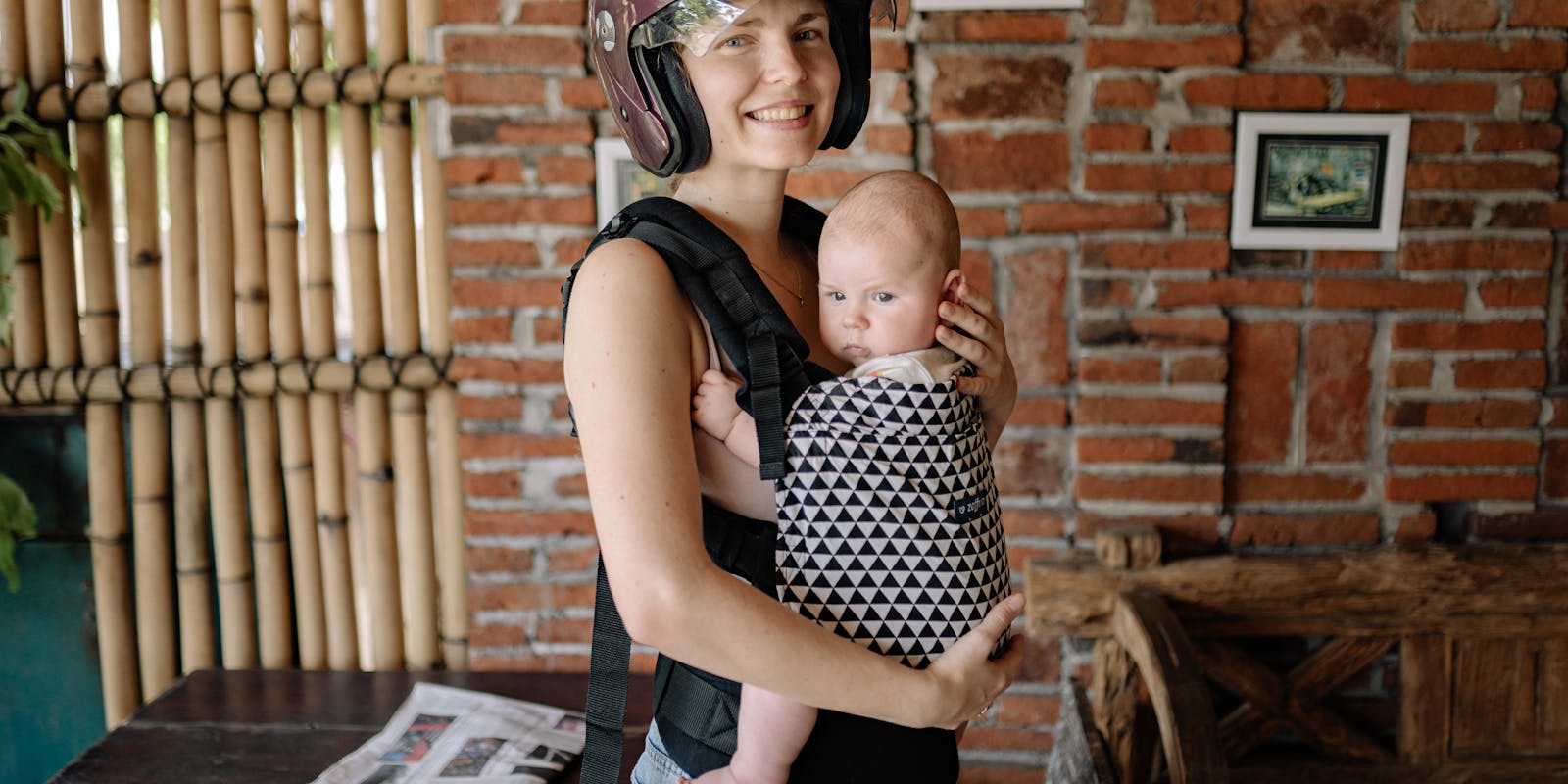
6. **Baby Gear Safety**: Always follow the manufacturer's guidelines when using strollers, car seats, carriers, and other baby gear. Regularly check for recalls.
7. **Medication and Cleaning Product Safety**: Keep all medications and cleaning products out of reach and in locked cabinets to prevent accidental ingestion.
8. **Temperature Control**: Ensure your baby's room is at a comfortable temperature and avoid overheating them with too many layers of clothing or blankets.
9. **Pet Safety**: Supervise interactions between your baby and pets, no matter how gentle the animal may be. Never leave them alone together.
10. **Supervision**: Above all, never leave your baby unattended, especially on high surfaces like changing tables or beds. Stay within arm's reach at all times.
By taking proactive steps to recognize and eliminate common baby safety hazards, you can create a secure environment for your baby to explore, learn, and grow safely. Remember, being informed and vigilant is key to ensuring your little one's well-being
1. **Safe Sleep Practices**: Ensure your baby sleeps on their back on a firm mattress with no pillows, blankets, or toys that could pose a suffocation hazard.
2. **Childproofing**: From securing electrical outlets to installing safety gates and cabinet locks, childproofing your home can prevent a myriad of accidents.
3. **Drowning Prevention**: Never leave your baby unattended near water, whether it's a bathtub, pool, or even a bucket of water. Empty all containers after use.
4. **Choking Hazards**: Be mindful of small objects that could pose a choking risk, including toys, coins, buttons, and food items. Cut food into small, manageable pieces.
5. **Crib Safety**: Regularly check your baby's crib for any loose parts, sharp edges, or spaces where their head could get stuck. Avoid using crib bumpers.
6. **Baby Gear Safety**: Always follow the manufacturer's guidelines when using strollers, car seats, carriers, and other baby gear. Regularly check for recalls.
7. **Medication and Cleaning Product Safety**: Keep all medications and cleaning products out of reach and in locked cabinets to prevent accidental ingestion.
8. **Temperature Control**: Ensure your baby's room is at a comfortable temperature and avoid overheating them with too many layers of clothing or blankets.
9. **Pet Safety**: Supervise interactions between your baby and pets, no matter how gentle the animal may be. Never leave them alone together.
10. **Supervision**: Above all, never leave your baby unattended, especially on high surfaces like changing tables or beds. Stay within arm's reach at all times.
By taking proactive steps to recognize and eliminate common baby safety hazards, you can create a secure environment for your baby to explore, learn, and grow safely. Remember, being informed and vigilant is key to ensuring your little one's well-being
Emergency Preparedness: First Aid Tips for Parents of Babies
As parents, ensuring the safety and well-being of our little ones is always a top priority. Being prepared for emergencies and having the right knowledge of first aid practices can make a significant difference in critical situations involving our babies. Here are some essential tips to keep in mind when it comes to emergency preparedness and first aid for your little ones:
1. **CPR and Choking Hazards**: Take a CPR class specifically designed for infants and young children. Learn how to perform infant CPR and the Heimlich maneuver for choking emergencies.
2. **Emergency Contacts**: Keep a list of emergency contacts handy at all times, including your pediatrician's number, local emergency services, and poison control center.
3. **First Aid Kit**: Always have a well-stocked first aid kit at home, in your car, and in your diaper bag. Make sure it includes essential items such as adhesive bandages, gauze pads, antiseptic wipes, and infant pain reliever.
4. **Baby-Proofing**: Regularly check your home for potential hazards and baby-proofing measures. Secure furniture, cover electrical outlets, and keep small objects out of reach to prevent choking incidents.
5. **Burns and Scalds**: Know how to treat minor burns and scalds. Run cool water over the affected area for a few minutes and cover with a sterile bandage. Seek medical attention for severe burns.
6. **Fever Management**: Learn how to take your baby's temperature accurately and know when to seek medical advice for a fever. Always follow your pediatrician's recommendations for fever management.
7. **Allergic Reactions**: Be aware of common allergens and signs of allergic reactions in babies. Keep infant-safe antihistamines and an epinephrine auto-injector if prescribed by your pediatrician.
8. **Safe Sleeping Practices**: Reduce the risk of Sudden Infant Death Syndrome (SIDS) by following safe sleeping practices. Always place your baby on their back to sleep, use a firm mattress, and avoid soft bedding.
9. **Dehydration Prevention**: Ensure your baby stays hydrated, especially in hot weather or during illnesses. Know the signs of dehydration and how to rehydrate your little one appropriately.
10. **Stay Informed**: Stay up to date on safety guidelines and first aid recommendations for infants. Join parenting classes, read reliable sources, and refresh your knowledge regularly.
By staying informed, prepared, and proactive, parents can effectively handle emergencies and provide necessary first aid to their babies when needed. Remember, it's always better to be over-prepared than caught off guard when it comes to your little one's safety and well-being
1. **CPR and Choking Hazards**: Take a CPR class specifically designed for infants and young children. Learn how to perform infant CPR and the Heimlich maneuver for choking emergencies.
2. **Emergency Contacts**: Keep a list of emergency contacts handy at all times, including your pediatrician's number, local emergency services, and poison control center.
3. **First Aid Kit**: Always have a well-stocked first aid kit at home, in your car, and in your diaper bag. Make sure it includes essential items such as adhesive bandages, gauze pads, antiseptic wipes, and infant pain reliever.
4. **Baby-Proofing**: Regularly check your home for potential hazards and baby-proofing measures. Secure furniture, cover electrical outlets, and keep small objects out of reach to prevent choking incidents.
5. **Burns and Scalds**: Know how to treat minor burns and scalds. Run cool water over the affected area for a few minutes and cover with a sterile bandage. Seek medical attention for severe burns.
6. **Fever Management**: Learn how to take your baby's temperature accurately and know when to seek medical advice for a fever. Always follow your pediatrician's recommendations for fever management.
7. **Allergic Reactions**: Be aware of common allergens and signs of allergic reactions in babies. Keep infant-safe antihistamines and an epinephrine auto-injector if prescribed by your pediatrician.
8. **Safe Sleeping Practices**: Reduce the risk of Sudden Infant Death Syndrome (SIDS) by following safe sleeping practices. Always place your baby on their back to sleep, use a firm mattress, and avoid soft bedding.
9. **Dehydration Prevention**: Ensure your baby stays hydrated, especially in hot weather or during illnesses. Know the signs of dehydration and how to rehydrate your little one appropriately.
10. **Stay Informed**: Stay up to date on safety guidelines and first aid recommendations for infants. Join parenting classes, read reliable sources, and refresh your knowledge regularly.
By staying informed, prepared, and proactive, parents can effectively handle emergencies and provide necessary first aid to their babies when needed. Remember, it's always better to be over-prepared than caught off guard when it comes to your little one's safety and well-being
Conclusion
In conclusion, prioritizing baby safety is crucial for every parent. By implementing the 10 essential baby safety tips discussed in this guide, including creating a secure sleep environment, babyproofing your home, and understanding safe feeding practices, you are taking proactive steps to protect your little one from common safety hazards. Additionally, being prepared for emergencies and having basic first aid knowledge tailored for infants is essential in providing a secure and nurturing environment. Remember, whether you're a first-time parent or a seasoned pro, arming yourself with knowledge and practical advice is key to ensuring your baby's safety and well-being. Stay informed, stay vigilant, and enjoy the journey of parenting while keeping your precious bundle of joy safe and sound